by George Robertson
Data analysis by the BBC shows that burning plastics is not unlike burning fossil fuels.
In response to concerns about gas emissions from landfill sites, there has been increasing use of energy-from-waste (EfW) plants (alternatively waste-to-energy, WtE). Incinerating domestic waste to produce electricity seemed like a good idea at the time, particularly as much of the waste 15 or so years ago was food waste.*
However, as more food waste is diverted to, for example, anaerobic digestion, a higher proportion of the waste being burned consists of plastics. About 90% of all plastics are derived directly from fossil fuels, so it should surprise nobody that, as the BBC reports, “burning waste produces the same amount of greenhouse gases for each unit of energy as coal power”.
Burning plastic IS burning fossil fuels – but with additives like dyes.
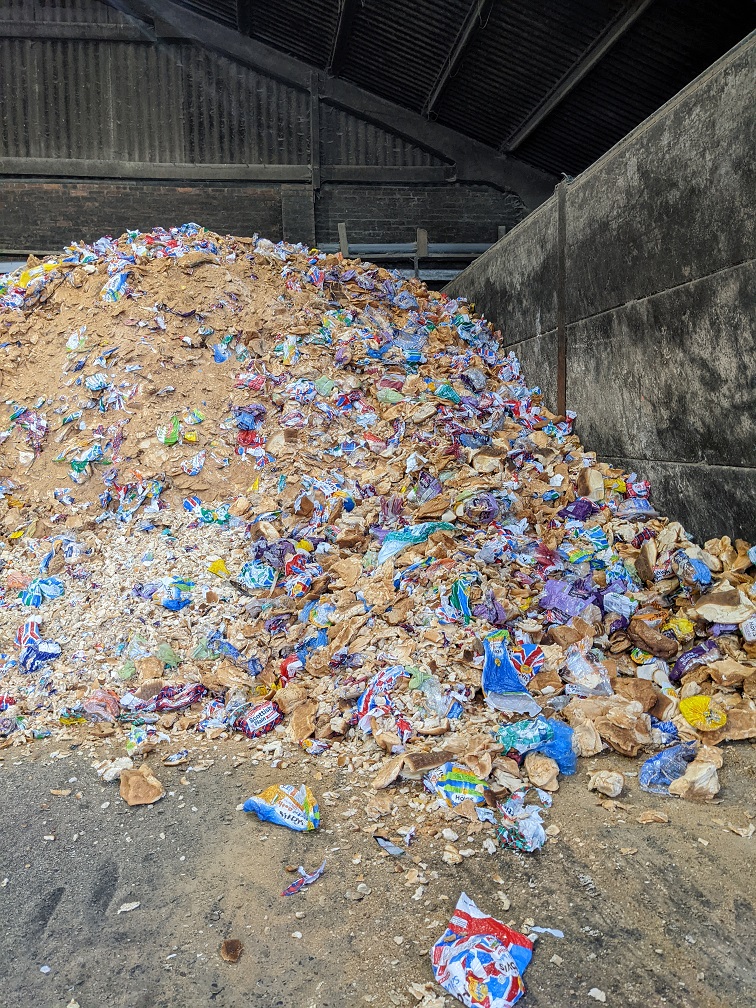
*Note added by Anna: Call me cynical, but it was also a good way for us to improve our waste accounting. Waste that ends up as landfill (i.e. is buried) or is incinerated without energy generation (i.e. is burned) is referred to as “disposed”, whereas waste that is incinerated for energy generation is referred to as “recovered”. In Scotland (and many other countries) we have targets for the reduction of disposal of waste – and recovery sounds so much better. In 2021, Scotland incinerated just over 1.3 million tonnes of waste, with a little over 60% being used for energy generation. Most of this was made up of what is referred to as sorting residue (the kind of material shown in the photo) and household waste (mostly plastic).